
Bradenton Painting Projects: Plan the Prep Before You Pick the Final Color
A clean painting result depends on surface condition, prep, protection, trim details, exterior exposure, and the way the finished color connects with the rest of the home.
July 28, 2026 | 6 min read
Quick answer
- Painting should be scoped around prep, repairs, access, surface protection, and the surfaces included.
- Interior painting can involve walls, ceilings, trim, doors, patching, sanding, caulking, priming, and cleanup.
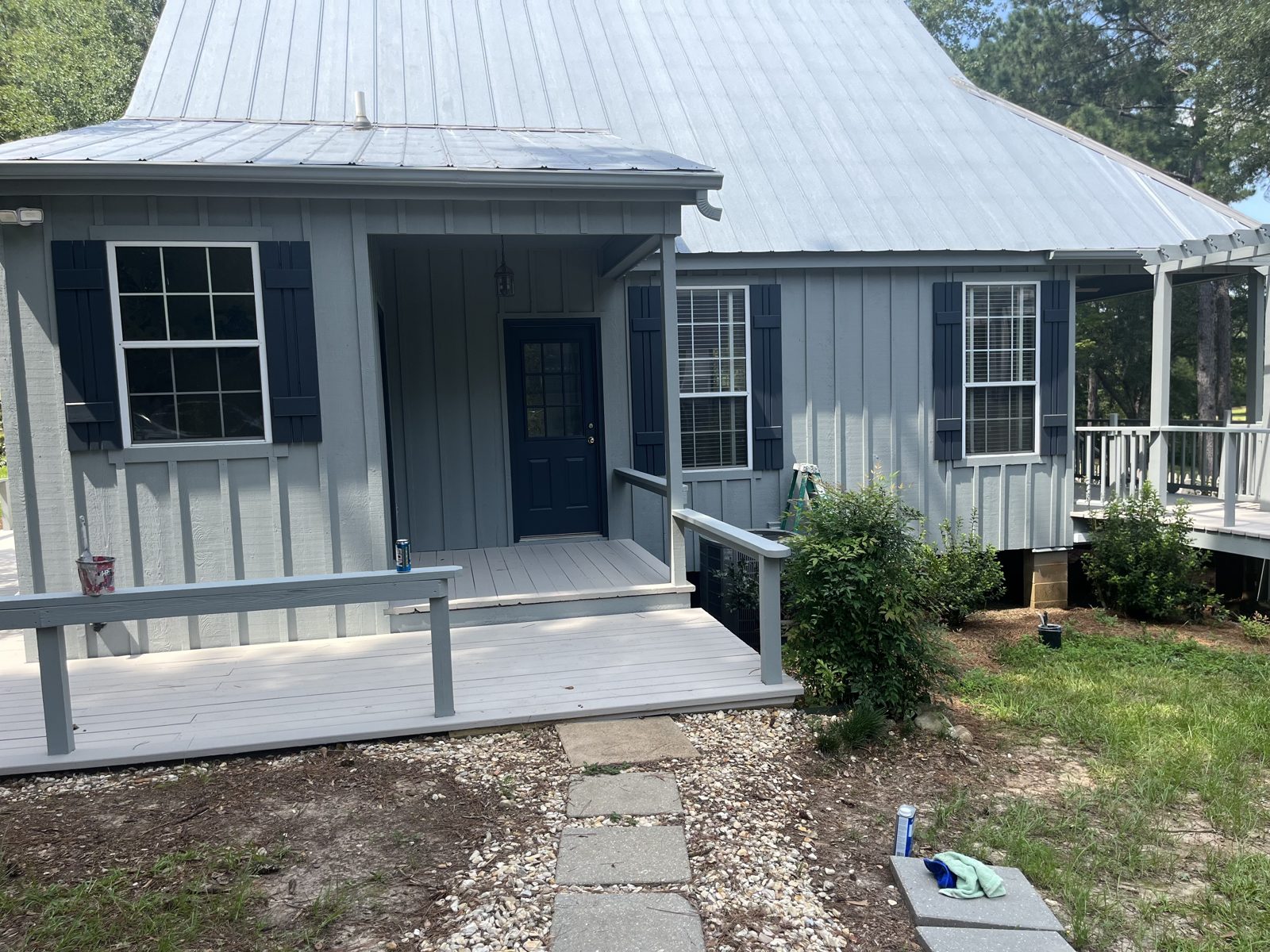
- Exterior painting depends on siding condition, weather exposure, porch details, railings, shutters, doors, and surrounding landscaping.
- The best quote photos show wide views plus close-ups of peeling paint, cracks, water marks, trim, doors, corners, and hard-to-reach surfaces.
Start with the surface condition
Color is the part homeowners see first, but the surface underneath decides how finished the job will look. Paint over cracks, dents, peeling edges, dirty siding, soft trim, or unprimed repairs can make a project feel rushed even when the color choice is right.
Benicht looks at the current condition before reducing a painting request to a room count or exterior elevation. The quote conversation should identify which surfaces are included, what needs repair, and where protection is needed before work starts.
Interior painting needs clear room boundaries
Interior painting can mean walls only, or it can include ceilings, trim, doors, closets, baseboards, stair walls, patching, caulking, and touch-ups after flooring. Those details change the scope and the finished look.
A helpful request names each room, the current wall condition, whether furniture is present, whether flooring or trim is being changed, and whether colors are selected or still open. Wide room photos and close-up damage photos make the first response more useful.
Exterior painting has weather and access constraints
Exterior paint has to account for sun, rain, salt air, siding condition, doors, shutters, porch details, railings, trim, landscaping, and access. Prep can matter more than the final coating because exterior surfaces are exposed every day.
Homeowners should send photos of each side of the property, close-ups of peeling or damaged paint, trim conditions, porch or railing details, and any access limits. If a section is hard to reach or partly blocked, that belongs in the first message.
Painting and flooring often meet at the trim
Painting is often tied to flooring because baseboards, thresholds, stair edges, and touch-ups can affect the final room. If flooring is being replaced, paint may need to happen in a planned sequence so new surfaces are protected and trim lines look clean.
Benicht scopes those connections before assuming the work is only paint. A finished room should not have a new floor with rough baseboards, or freshly painted walls with unresolved floor and trim edges.
Photos make the scope easier to trust
Painting photos should show the full surface, the surrounding surfaces, and the problem details. Wide shots show room size, access, furniture, openings, and light. Close shots show cracks, peeling, stains, old caulk, trim damage, and places where the paint needs extra prep.
Clear photos do not replace a project review, but they help Benicht separate a focused repaint from a repair-heavy paint job. That is the difference between a vague color request and a quote conversation that starts with the real work.
FAQ
Questions homeowners ask before they quote this work.
Does Benicht handle interior and exterior painting?
Yes. Painting can include interior walls, ceilings, trim, doors, and exterior surfaces when the project fits the current scope.
What should I send for a painting quote?
Send photos of the surfaces, close-ups of damage or peeling, the rooms or exterior areas involved, color direction if known, access notes, and timing needs.
Can painting be coordinated with flooring?
Yes. Painting and flooring often meet at baseboards, trim, stairs, thresholds, and touch-up areas, so the sequence should be planned before work starts.