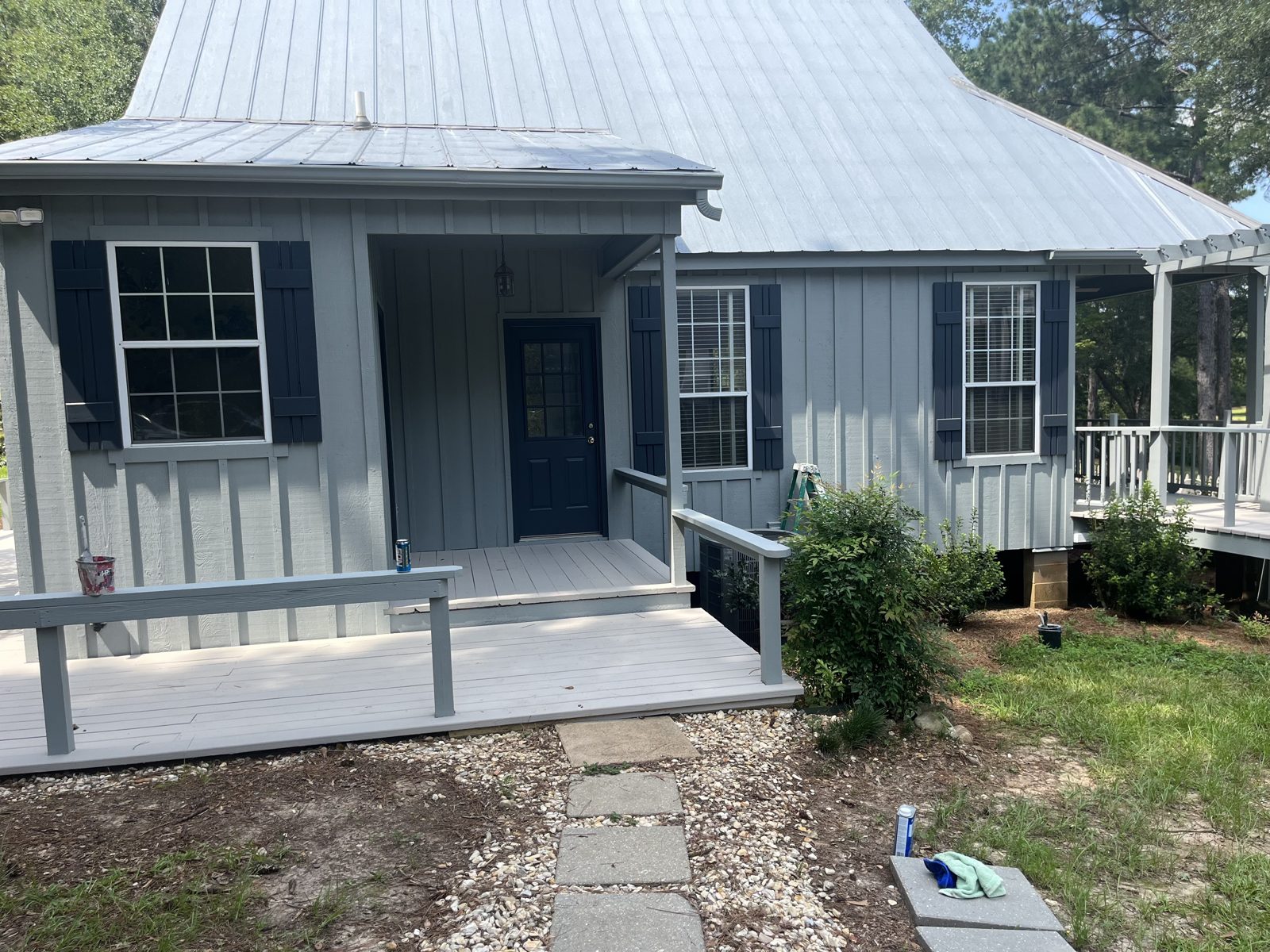
Plan the finished surface
Use these painting guides to make the first conversation more useful.
A useful guide should help you define the work before you request a quote. Start with the surfaces as they are today: what is peeling, stained, faded or damaged, and what must stay. Then describe the result you want.
Begin with the condition, not a product name
Samples, colors and inspiration photos help, but they don’t explain why a surface needs work. Note what you see every day: peeling paint, water stains, cracked caulk, unfinished trim or poor earlier prep.
Photograph the room and every connection
Take wide photos from more than one corner, then close-ups of the areas that concern you: trim, doors, ceilings, exterior details, peeling paint and damaged surfaces. Photos don’t replace an on-site look, but they make the first conversation faster.
Make a keep, change, and undecided list
You don’t need every color picked before reaching out. List the surfaces, the repairs you know about, the trim and doors included, and any color direction.
Think beyond the most visible surface
The color you notice first is rarely the whole job. New paint depends on patching, sanding, caulk, primer, trim, doors, sun exposure, and protecting nearby surfaces.
Match the plan to a Bradenton home
Bradenton homes aren’t all used the same way. A primary home, condo, seasonal home, rental or home being sold each has different priorities for durability, upkeep, timing and finish.
Compare quotes by scope, not only by the final number
Two painting quotes can look alike and include very different work. Check how each treats washing, scraping, repairs, primer, number of coats, trim, protection and cleanup.
Choose the guide that matches your next decision
Each guide covers one painting question: prep, primer and coats, sheen, color in Florida light, exterior timing, weather, cost, and more.